E-commerce advertising is not about choosing a platform, it is about understanding how your product gets discovered in the Dubai & UAE market. Most online store owners ask the wrong question: “Should I run Google Ads or Meta Ads?” ,but the real question is:
Does your customer search for your product or discover it?
That single distinction determines where your budget should go, how fast you can scale, and whether your advertising becomes profitable or simply expensive.
In the Dubai & UAE, where competition is intense, expectations are premium, and ad costs rise fast, channel choice is not tactical. It is structural.
What is e-commerce advertising?
E-commerce advertising is the strategic use of paid media to acquire customers for an online store. It includes platforms like Google Ads, Meta Ads, TikTok Ads, and YouTube. But platforms are distribution channels, they are not strategy.
Advertising only works when it aligns with:
- How demand is generated
- Customer intent level
- Your product type
- Your margin structure
- Your store’s conversion architecture
Without that alignment, you are amplifying inefficiencies.
Search-Driven vs Discovery-Driven products
Every e-commerce product in Dubai & UAE falls into one of two categories:
- Search-driven products where customers actively look for them.
- Discovery-driven products where customers do not search but buy when they see them.
Understanding this difference is the foundation of profitable e-commerce advertising.
1) Search-Driven e-commerce: When customers already have intent
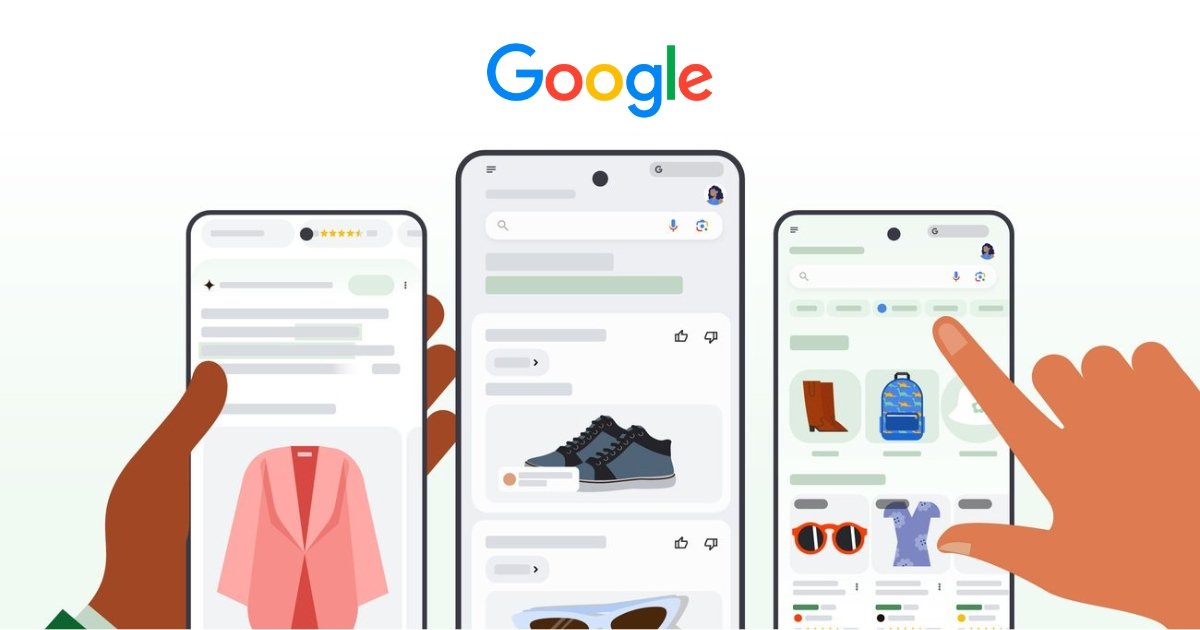
Search-driven products are those people actively type into Google.
Examples in Dubai & UAE:
- “Running shoes Dubai“
- “Protein powder UAE“
- “Ergonomic chair Abu Dhabi“
- “Luxury perfume online UAE“
- “iPhone case delivery Dubai“
These buyers:
- Have a defined need
- Are comparing options
- Are closer to purchase
Why Google Ads is usually the smartest option
If demand already exists, your job is not to create it, your job is to intercept it. That is why Google Ads is often the most efficient starting point for search-driven e-commerce, especially when budget is limited.
Reason 1: You capture high-intent traffic.
The user is already searching. You are meeting them at the point of decision.
Reason 2: Faster path to conversion.
Search traffic typically requires less persuasion than cold social traffic.
Reason 3: Better use of limited budgets.
In Dubai & UAE, CPC can be high. You cannot afford low-intent clicks. Search campaigns focus on people who already want the product.
Reason 4: Clearer performance diagnostics.
Keywords reveal intent. You know exactly what demand looks like and how it converts.
If you sell something people actively look for and you start with social ads instead of search, you are ignoring existing demand.
2) Discovery-Driven e-commerce: When desire must be created
Discovery-driven products are different, people do not search for them, they buy them when they see them.
Examples:
- Trendy home décor
- Viral gadgets
- Fashion accessories
- Aesthetic lifestyle products
- Unique gift items
No one searches for something they do not know exists. In this case, search ads will not generate meaningful volume.
Why social media advertising works better here
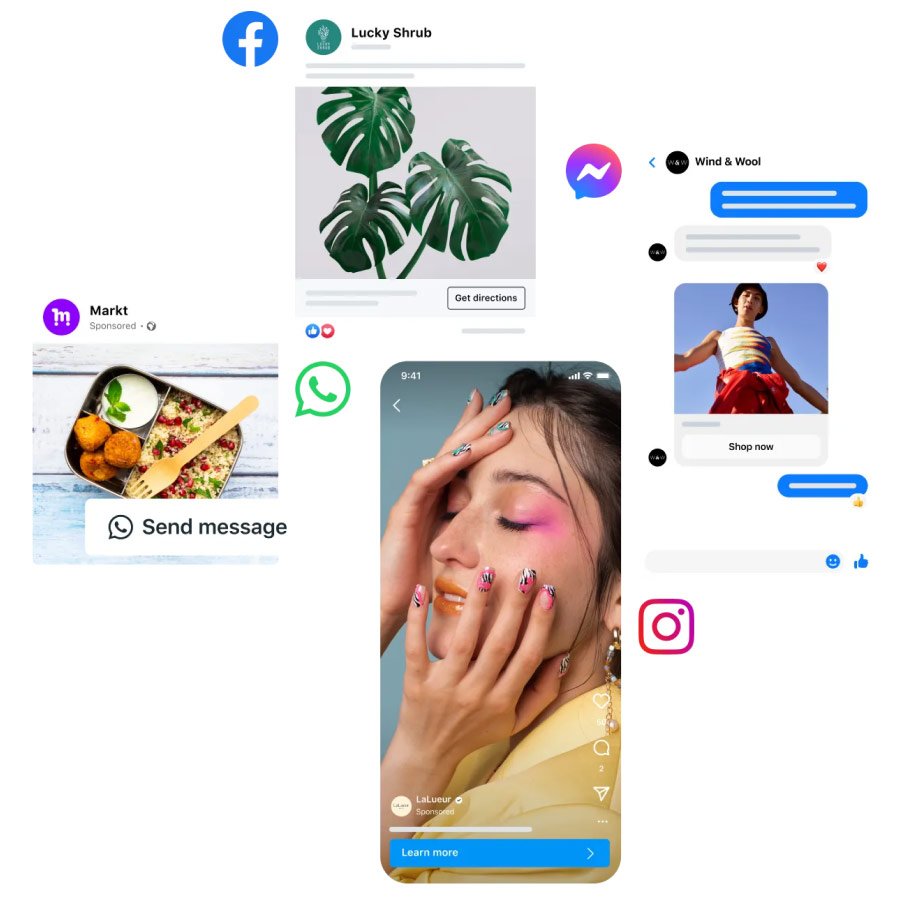
Platforms like Meta Ads and TikTok Ads are built for interruption. They are designed to create desire, not capture it.
Reason 1: Visual triggers drive impulse.
Discovery products rely on aesthetics, emotion, and instant attraction.
Reason 2: Creative drives demand.
For aspirational products, the ad creative is the targeting. Strong visuals and positioning create the need.
Reason 3: High social media penetration in Dubai & UAE.
Consumers in Dubai & UAE spend significant time on social platforms. Discovery commerce thrives in that environment.
If your product is aspirational and you rely only on search, you are waiting for demand that does not yet exist.
Budget strategy in Dubai & UAE: What to do first
Low budget and search-driven Product
- Start with Google Search or Shopping
- Focus on high-intent keywords
- Structure campaigns carefully
- Add retargeting after validation
Low budget and discovery-driven product
- Run controlled creative tests
- Validate engagement and conversion signals
- Scale only when cost per acquisition is sustainable
In both cases:
Never scale ads before validating your conversion structure.
If your product page is weak, your offer unclear, or your checkout confusing, ads will amplify the problem.
The Dubai & UAE market factor
The Dubai & UAE e-commerce environment has specific characteristics:
- High purchasing power
- Premium expectations
- Strong competition
- Trust and credibility are critical
- Fast delivery is expected
This means advertising alone is never enough. Buyers in Dubai & UAE compare brands. They assess professionalism. They evaluate trust signals. If your structure is weak, increasing traffic will not fix performance.
When a hybrid strategy makes sense
As your e-commerce matures, the strategy often evolves into a hybrid model:
- Search captures existing demand
- Social builds brand visibility
- Retargeting converts undecided visitors
- Email increases lifetime value
But hybrid strategies only work when your foundation is strong. Otherwise, you are layering complexity over structural weakness.
Common e-commerce advertising mistakes in Dubai & UAE
- Choosing platforms based on trends instead of product behavior
- Running social ads for products people actively search for
- Scaling without validated conversion rates
- Ignoring margin and acquisition cost
- Confusing traffic growth with revenue growth
Final atrategic framework
Before investing in e-commerce advertising, ask:
- Is my product searched or discovered?
- Is demand already validated in Dubai & AE?
- Is my store optimized to convert paid traffic?
- Do my margins support paid acquisition?
Then choose your channel:
- Search-first if demand already exists
- Social-first if desire must be created
- Hybrid when your structure is ready to scale
E-commerce advertising is not about being everywhere. It is about being present where demand exists or where desire can be strategically created. Advertising is amplification. If your e-commerce foundation is strong, it scales profitably. If it is weak, it collapses faster.